



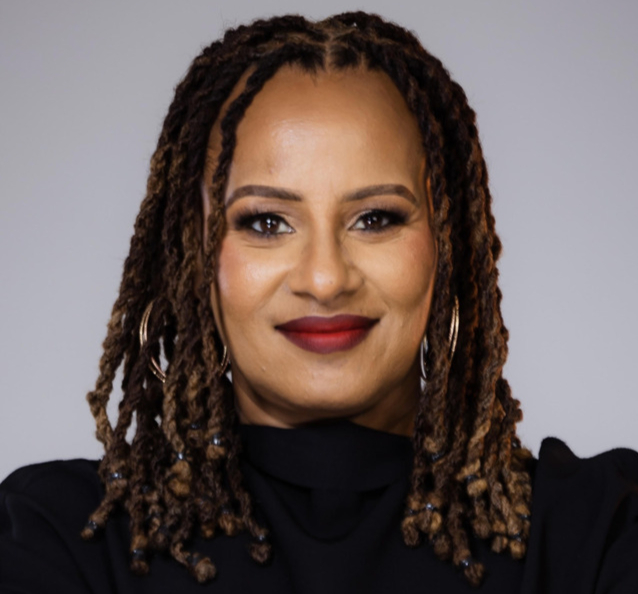
 Mahlet Teklemariam, founder of Hub of Africa Fashion Week. (Photo courtesy of Mahlet Teklemariam)
Tadias Magazine
By Tadias Staff
January 2026
TADIAS – As Hub of Africa Fashion Week marked its 15th edition in Addis Ababa this year, Tadias returns to a conversation that has been unfolding for more than two decades. Long before HAFW became one of the continent’s most consistent fashion platforms, its founder Mahlet Teklemariam was shaping how Diaspora designers were seen and understood as Fashion Editor of Tadias—foregrounding storytelling, craft, and global dialogue at a time when few such platforms existed.
That editorial sensibility continues to inform HAFW’s approach today. What began as a response to the absence of industry infrastructure has grown into a multifaceted platform—balancing runway, education, business and ecosystem-building—while remaining deeply connected to both local and international audiences.
In this TADIAS Q&A, Mahlet reflects on the significance of reaching 15 years, the evolution of African fashion in Addis Ababa and beyond, and the long-term work required to sustain creative industries across the continent.
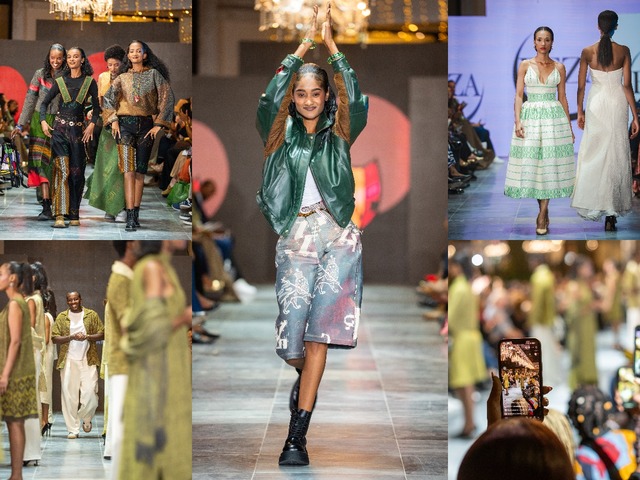
Scenes from the 15th edition of Hub of Africa Fashion Week in Addis Ababa. (Photos by Mekbib Tadesse)
TADIAS Q&A with Mahlet Teklemariam
TADIAS: Hub of Africa Fashion Week marked its 15th edition this year. When you look around Addis Ababa today, what feels most meaningful about reaching this milestone?
Mahlet Teklemariam: Reaching the 15th edition feels deeply meaningful because it reflects the growth of the African fashion industry itself. When we began this journey, there were far fewer visible platforms for African designers. Today, we see an abundance of brands emerging from across the continent, confidently telling their stories and building sustainable businesses. Being able to witness and contribute to that evolution has been incredibly rewarding.
TADIAS: This year’s edition of HAFW took place at the Hyatt Regency. What stood out to you about the energy compared to earlier editions?
Mahlet: There was an unexpected excitement this year. Introducing new designers to the platform always brings fresh energy, and the same was true of our new generation of models, whose enthusiasm was infectious. What stood out most for me was the audience, guests who traveled from the USA, the UK, and across Africa specifically to attend HAFW. That level of commitment and engagement was truly humbling and reaffirmed the relevance of the platform.
On Vision & Growth
TADIAS: When you launched Hub of Africa Fashion Week, what gap were you hoping to fill — and how has that vision evolved over the years?
Mahlet: Growing up in the United States, I was exposed to platforms like New York Fashion Week that played a critical role in shaping and promoting the fashion industry. At the time, I did not see equivalent platforms on the African continent. HAFW was created to fill that gap, not merely as a runway showcase, but as a space to actively build the African fashion industry by creating visibility, structure, and opportunity for designers.
TADIAS: HAFW has consistently balanced creativity with industry-building. Why was it important for you to design the platform that way?
Mahlet: Because creativity alone cannot sustain an industry. From the outset, HAFW was designed to go beyond the runway. Alongside fashion shows, we host panel discussions, masterclasses, and pop-up marketplaces to give designers access to knowledge, networks, and markets. We also intentionally involve key stakeholders—government institutions, donor organizations such as the British Council, manufacturers, and industry professionals—to support the ecosystem through incubation programes, policy dialogue, and long-term collaboration.
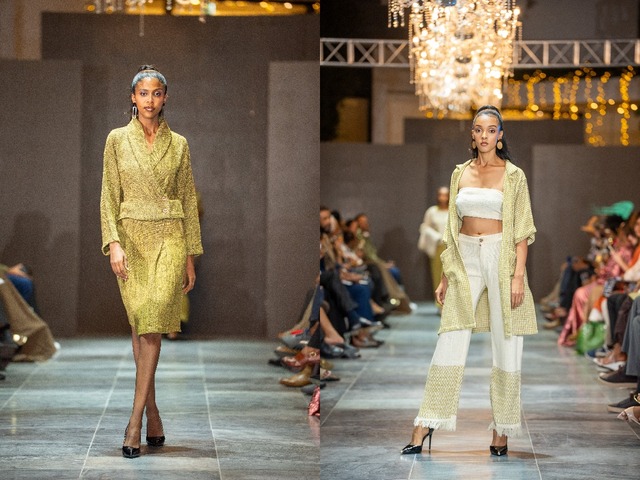
(Photos by Mekbib Tadesse, courtesy of HAFW)
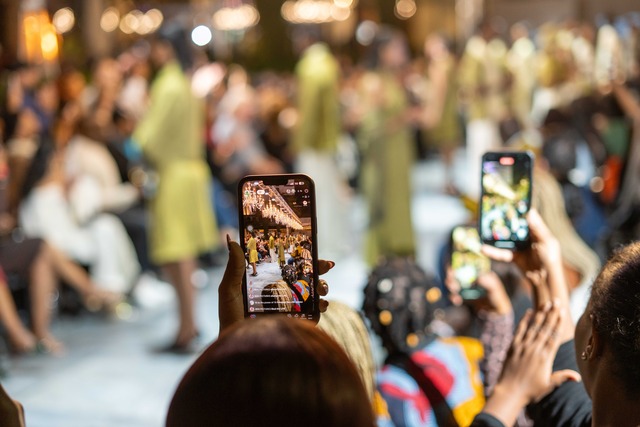
HAFW at 15: a platform balancing creativity, industry, and long-term vision. (Courtesy photo)
On African Fashion & the Industry
TADIAS: From your perspective, how has African fashion—particularly in Addis Ababa—changed over the past decade and a half?
Mahlet: The change has been significant. There are far more fashion brands today, and many are thriving. We have seen a strong shift toward ready-to-wear, alongside the continued growth of traditional and ceremonial attire, which remains deeply tied to identity and cultural pride. This transformation is visible across the continent. Importantly, younger generations are increasingly choosing to wear Made-in-Ethiopia and Made-in-Africa brands. While there is still much work to be done, acceptance and appreciation of locally made products have grown tremendously.
TADIAS: This year’s designers represent multiple countries and design traditions. What do you look for when curating the HAFW runway today?
Mahlet: As an African fashion week, our priority is to bring together designers from across the continent to network, exchange ideas, and grow collectively. This year, we featured designers from Kenya, Nigeria, Cameroon, and South Africa, and for the second time, we welcomed a designer from Russia through our collaboration with Moscow Fashion Week, connected to the BRICS Fashion Summit. Diversity, authenticity, and a commitment to craft and storytelling are key considerations in our curation.
On Sustainability & Infrastructure
TADIAS: Partnerships like the British Council’s Creative DNA program have become a key part of HAFW. Why is long-term support and business development so critical for designers?
Mahlet: Building a fashion brand requires time, structure, and consistent support. Long-term partnerships enable designers to access incubation programmes, business development tools, and international opportunities that would otherwise be out of reach. Designers from the last two Creative DNA cohorts have gone on to showcase internationally and connect to new global networks. This kind of sustained support is essential for meaningful growth.
TADIAS: What role do conversations like The Core Round Table play in shaping the future of the industry beyond the runway?
Mahlet: They are vital. Through our second collaboration with Linda Murithi, founder of The Core Round Table, we created a space for intentional, solution-oriented dialogue. This year’s session was a closed, high-level discussion bringing together designers, manufacturers, PR agents, and platforms such as HAFW. These conversations help identify gaps, encourage collaboration, and move the industry forward in a more strategic way.
Personal Journey / Tadias Connection
TADIAS: Before founding HAFW, you served as Fashion Editor of Tadias. How did your early editorial work influence the way you approach fashion as a platform and industry today?
Mahlet: My work at Tadias was foundational. In 2002, I began seeking out diaspora African designers in the United States and giving them a voice through the magazine. That experience shaped my understanding of fashion as storytelling and advocacy. Moving back to Ethiopia gave that mission even greater purpose, finding ways to position African fashion on global stages. Today, HAFW has been featured by international platforms such as Business of Fashion, Vogue Italia, FashionUnited, and many more, while continuing to engage the diaspora audience through Tadias. This global-local dialogue remains central to our work, and it is one of the reasons we moved HAFW to January, aligning with diaspora season.
TADIAS: What has it meant to you to build something that connects storytelling, design, and global dialogue—values that were also central to your time at Tadias?
Mahlet: It means everything to me. In Africa, every garment carries a story, an intention, and a history. In many ways, African fashion is inherently sustainable, rooted in made-to-measure, handcrafted, and slow fashion practices. Promoting Made-in-Africa products is not just professional work for me; it is personal and deeply values-driven.
Looking Ahead
TADIAS: As HAFW moves beyond its 15th year, what excites you most about the future—both for the platform and for African fashion more broadly?
Mahlet: Every year, I say this will be my last, yet every year we continue—because the platform clearly matters. Designers consistently reach out to us because they see the value HAFW brings to their growth. Organizing the event remains challenging due to limited resources and partnerships, but somehow we persevere each year. What excites me most is the continued relevance of the platform and the possibilities that lie ahead if we can strengthen long-term support structures.
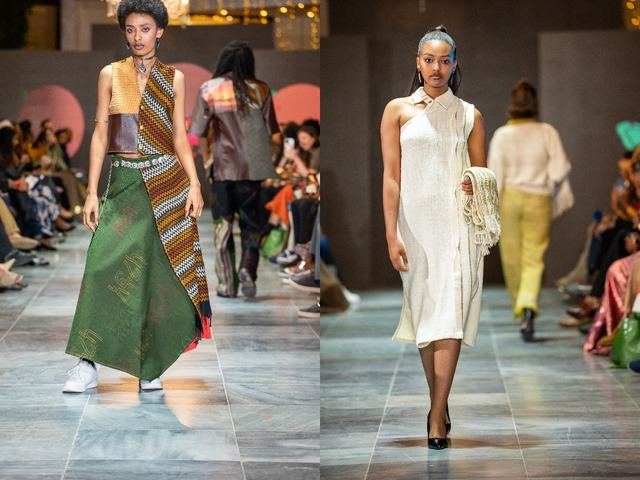
(Photos by Mekbib Tadesse, courtesy of HAFW)
TADIAS: What advice would you give to young designers in Ethiopia and across Africa who are just beginning their journey?
Stay true to your identity and do not give up. Keep telling Africa’s stories—our cultures, crafts, and heritage. The world is ready to listen.
TADIAS: Thank you, Mahlet, and best wishes from all of us at TADIAS.
—
Related:
In Photos: Hub of Africa Fashion Week Marks 15 Years in Addis Ababa
Join the conversation on Instagram, X and Facebook.