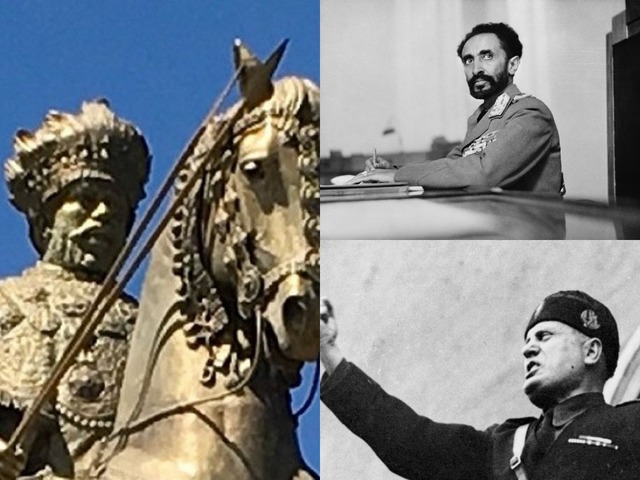
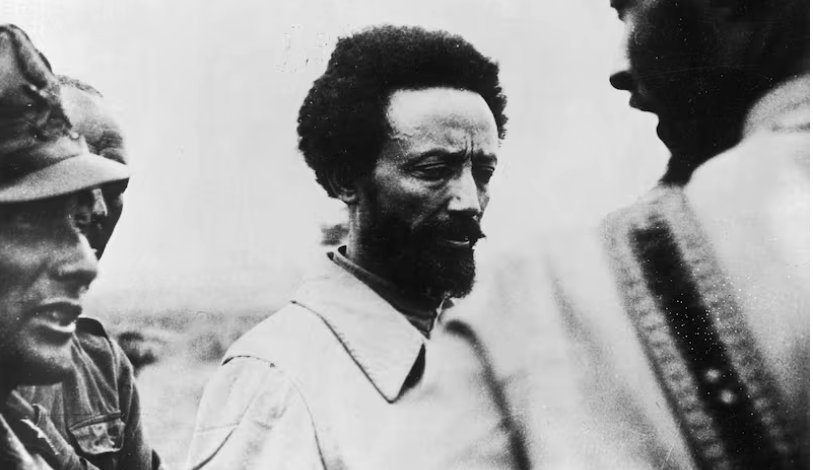
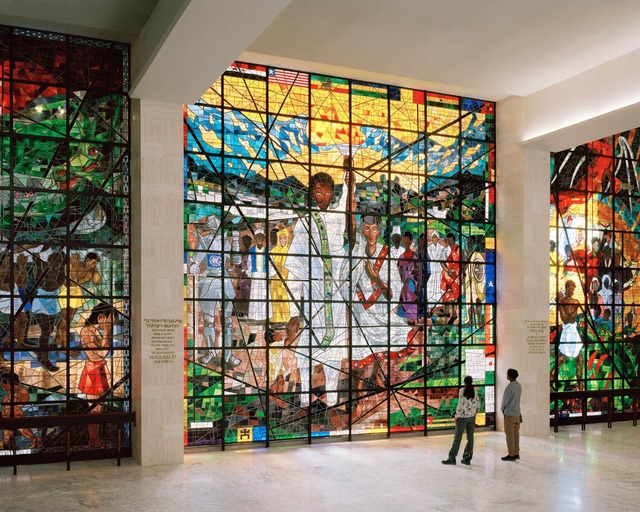
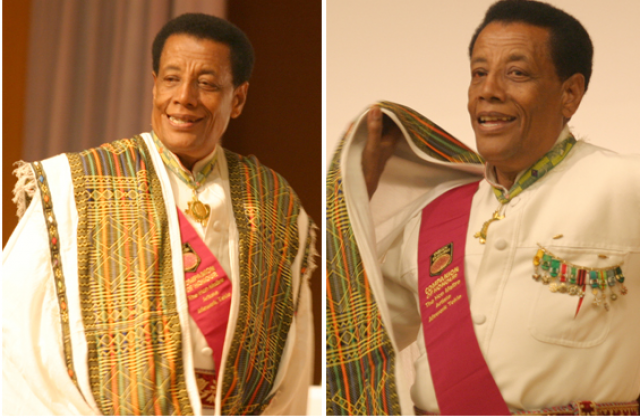
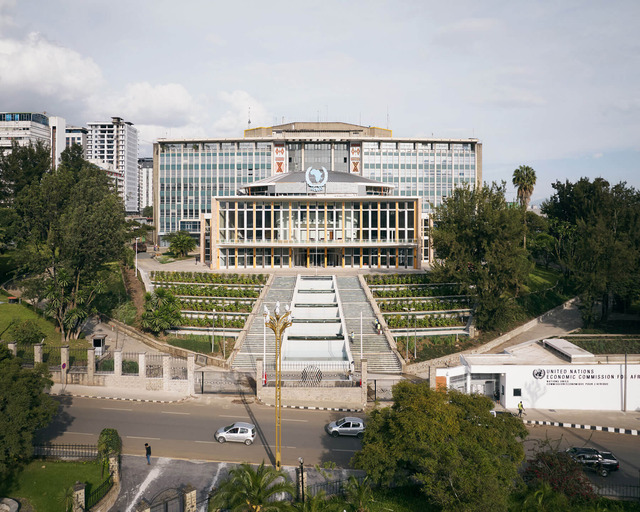
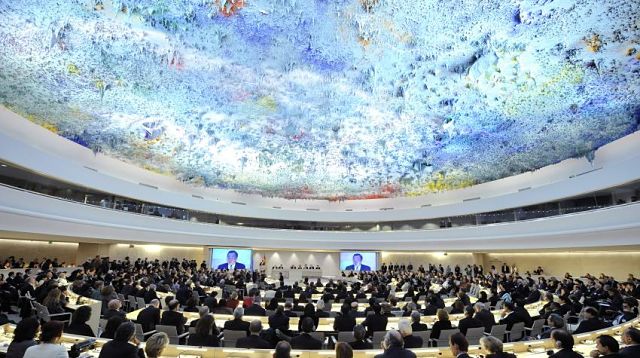
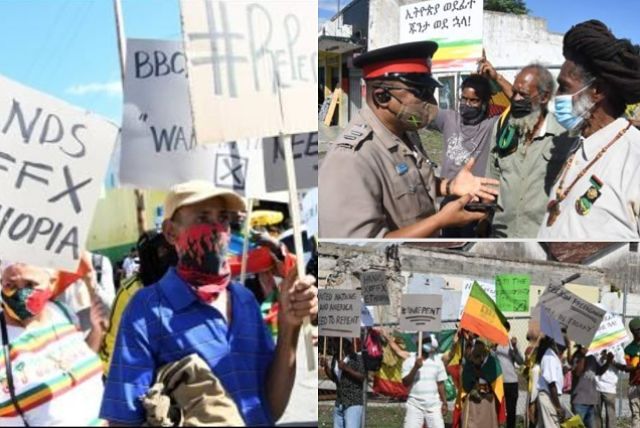
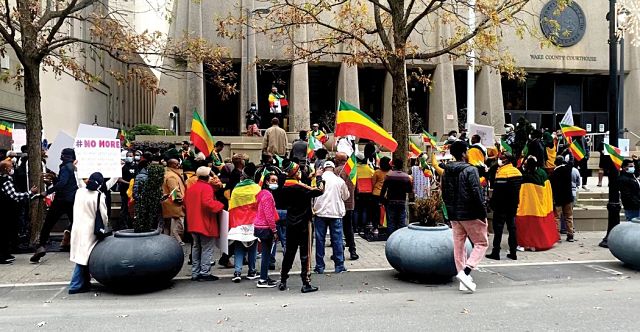
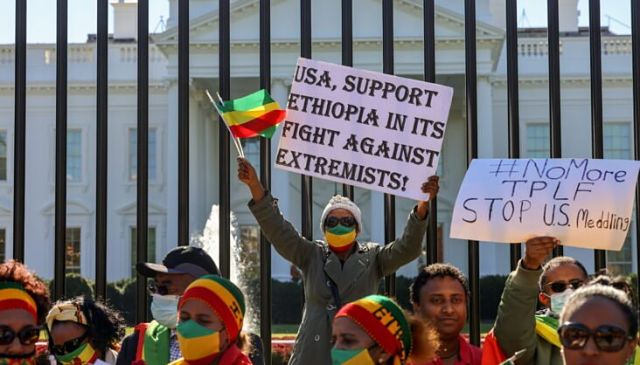
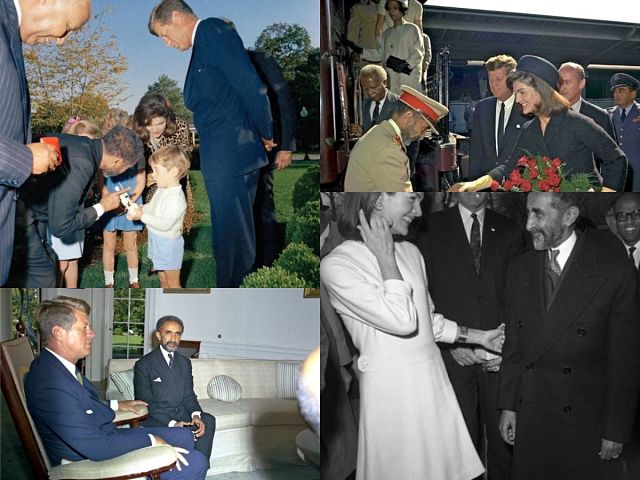
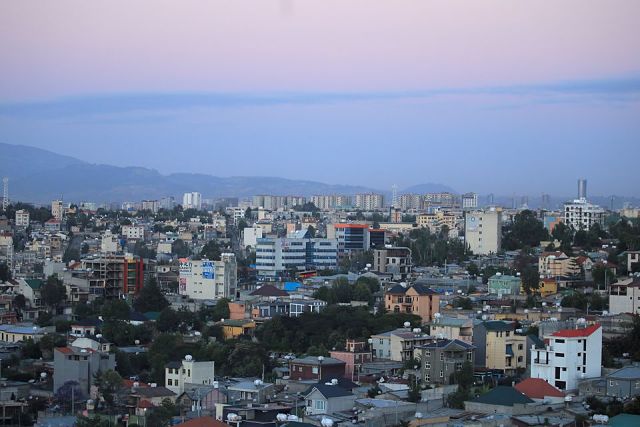
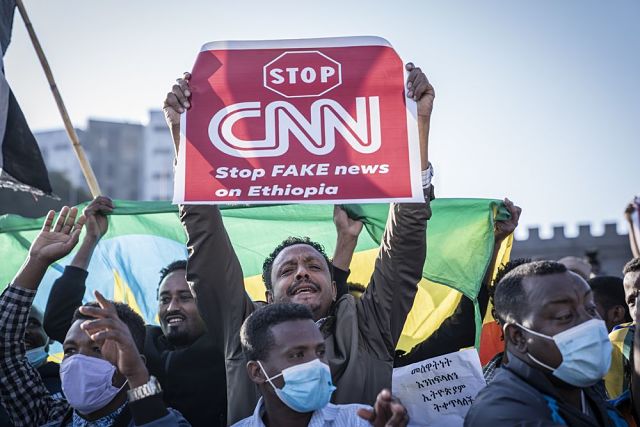
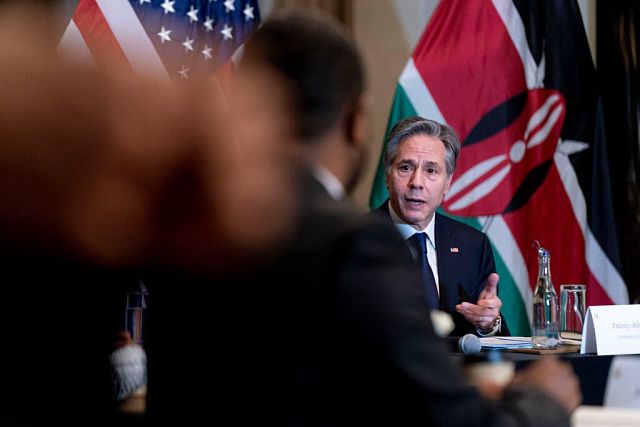
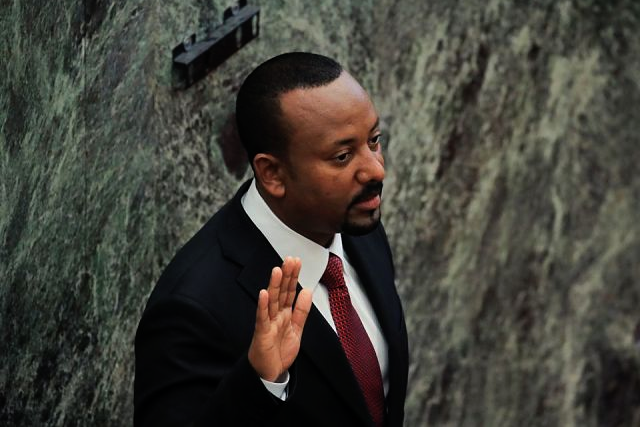
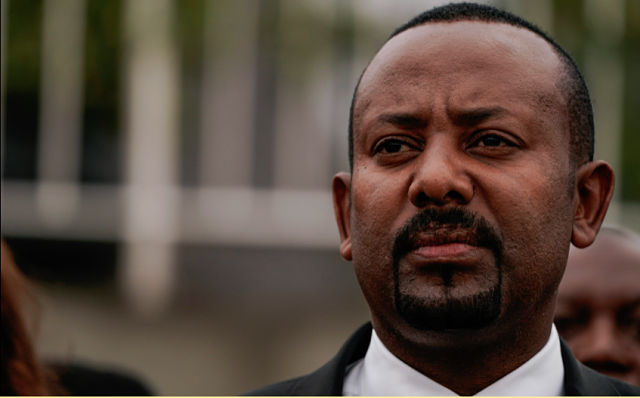
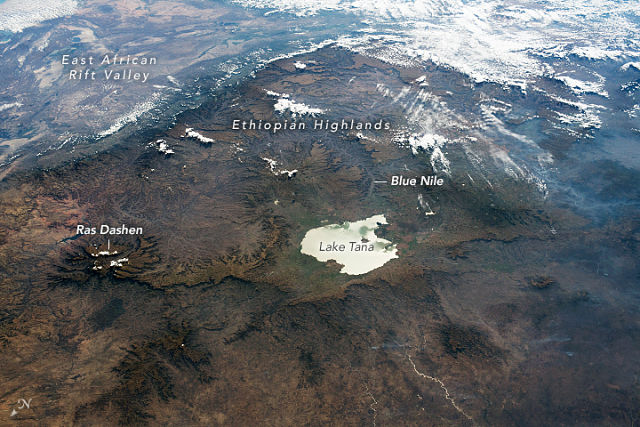
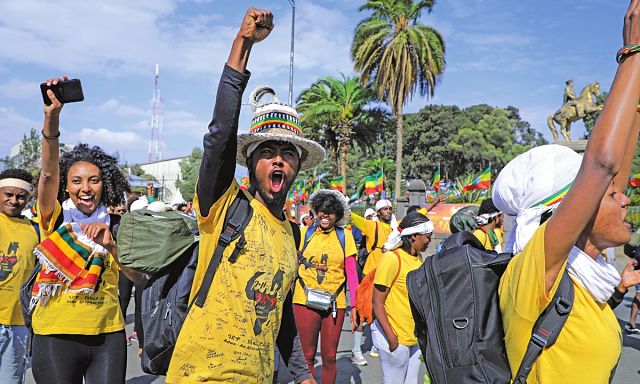
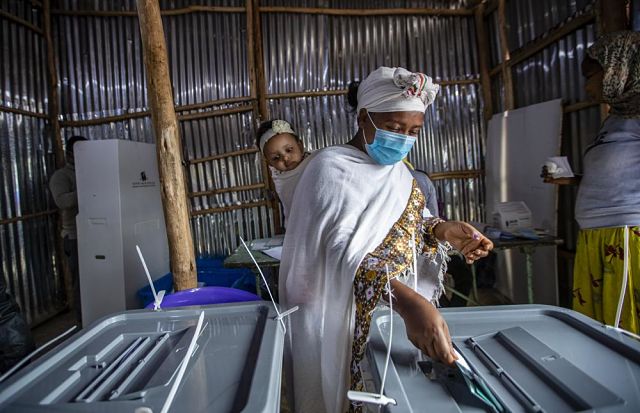
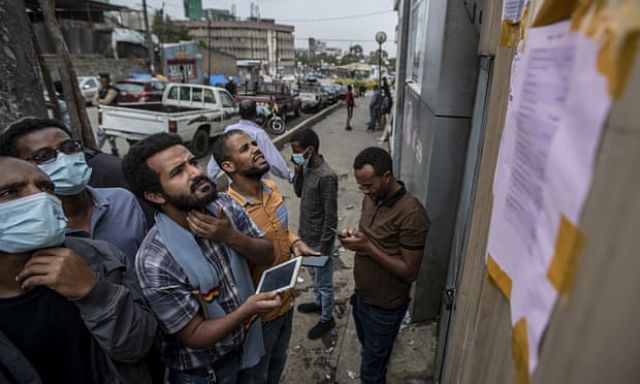
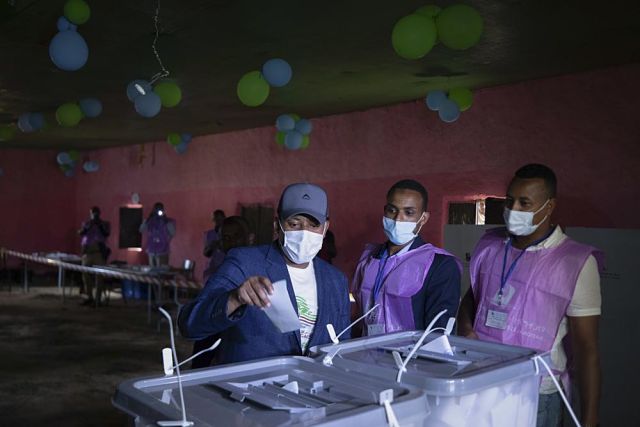
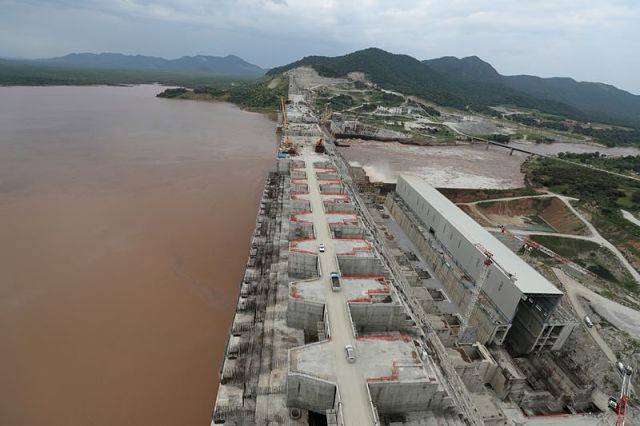
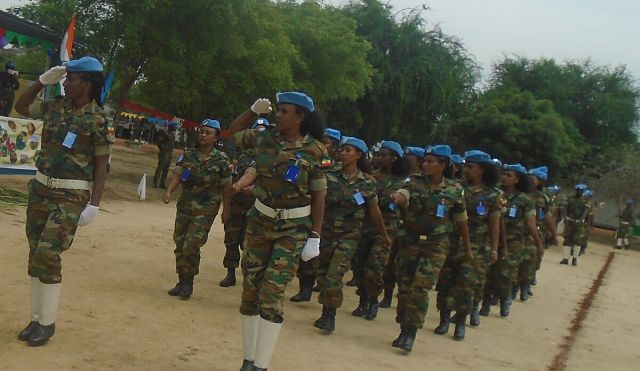
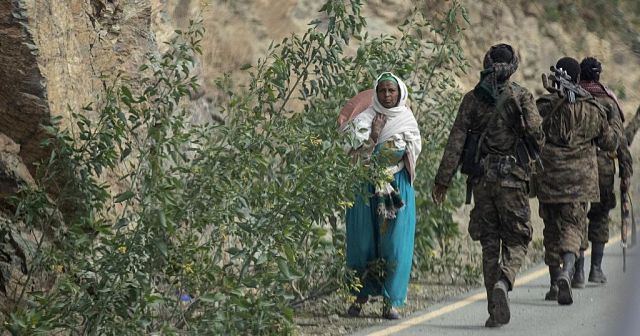
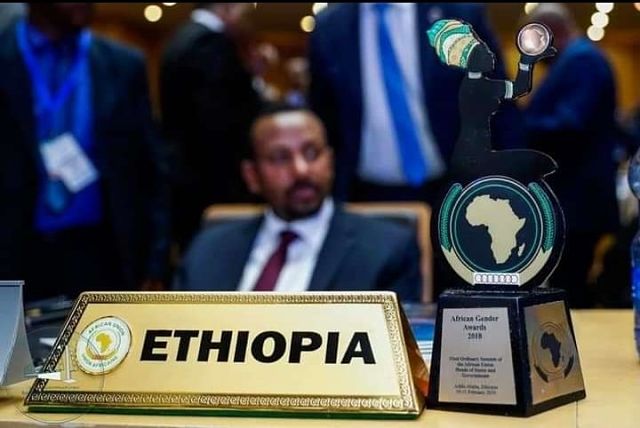
 In an open letter to U.S. President Joe Biden Ethiopia's Prime Minister Abiy Ahmed blasted America's obviously failing East Africa foreign policy. The letter shared on social media comes on the same day as Biden's Executive Order issued on Friday, September 17th concerning the domestic political conflict in Ethiopia. You can read both documents below. (Photo via Twitter)
Press Release
By Abiy Ahmed Ali, Prime Minister of Ethiopia
September 17, 2021
An Open Letter to President Joseph R. Biden Jr.
Dear Mr. President,
As I write this open letter to you, it comes at a time when innocent civilians including women, children and other vulnerable groups in the Afar and Amhara regions have been violently displaced, their livelihoods disrupted, their family members killed, and their properties as well as service giving institutions destroyed intentionally by TPLF.
This letter comes at a time when our children in the Tigray region are being used as cannon fodder by remnants of an organization recently designated as ‘terrorist’ by our House of People’s Representatives. Children of a post-war generation that have held high hopes in the possibility that their lives would be distinctly different from that of their parents, whose lives have been marred by the terror of war with the DERG regime and a cross border conflict with Eritrea in the late 1990s instigated by the TPLF.
As the rest of their peers in the country pursue their studies and lives, our children of Tigray have been held hostage by a terrorist organization that attacked the State on November 3, 2020 exposing them to various vulnerabilities. While the use of children as soldiers and participation in active combat is a violation of international law, the terrorist organization TPLF has proceeded unabated in waging its aggression through the use of children and other civilians. The cries of women and children in the Amhara and Afar regions that are displaced and suffering at the hands of TPLF’s enduring ruthlessness continues under the deafening silence of the international community.
Unfortunately, while the entire world has turned its eyes onto Ethiopia and the Government for all the wrong reasons, it has failed to openly and sternly reprimand the terrorist group in the same manner it has been chastising my Government. The many efforts the Ethiopian Government has undertaken to stabilize the region and address humanitarian needs amidst a hostile environment created by the TPLF have been continuously misrepresented. The mounting and undue pressure on a developing African country, with limitless potential for prosperity, has been building up over the past months. This unwarranted pressure, characterized by double standards, has been rooted in an orchestrated distortion of events and facts on the ground as it pertains to Ethiopia’s rule of law operations in the Tigray region. As a long-time friend, strategic ally and partner in security, the United States’ recent policy against my country comes not only as a surprise to our proud nation, but evidently surpasses humanitarian concerns.
For almost three decades, Ethiopians in all corners have been subjected to pervasive human rights, civil and political rights violations under TPLF’s regime. Various identities under the Ethiopian flag were exploited by a small clique that appropriated power to benefit its small circle at the expense of millions, including the impoverished of the Tigray region. The suppression of political dissent, egregious human rights violations, displacements, suffocation of democratic rights and capture of State machinery and institutions for the aggrandizement of a small group that ran a country of millions with no accountability for 27 years has been met with little to no resistance by various Western nations, including the US.
The period 2015-2018 that marked Ethiopia’s awakening where the TPLF was deposed from power in a popular uprising, is telling of the stance that millions throughout this great country took against a criminal enterprise that subjugated Ethiopians to oppression and stripped citizens of agency. TPLF’s track record of pitting one ethnic group against the other for its own political survival did not end in 2018 when my administration took over the helms of power. It rather mutated and intensified in form, putting on the robe of victimhood, while financing elements of instability throughout the country.
Now, the destructive criminal clique, adept at propaganda and spinning international human rights and democracy machinations to its favor, cries wolf while it leaves no stone unturned in its mission to destroy a nation of more than a 3000-year history. Although this hallucination will not come to pass, history will record that the orchestrated turbulent period Ethiopia is going through at the moment is being justified by some Western policy makers and global institutions under the guise of humanitarian assistance and advancing democracy.
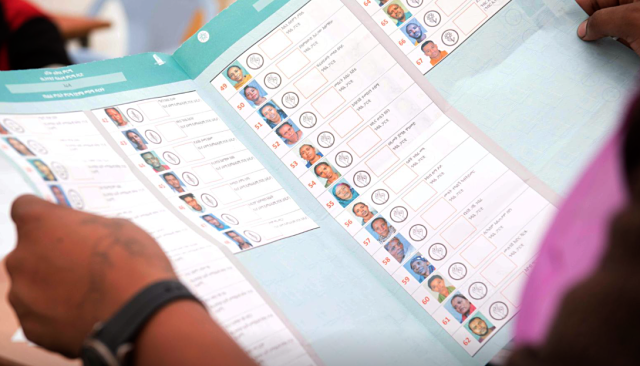
In a demonstration of my people’s aspiration to democratize and unprecedented in Ethiopia’s modern history, close to 40million of my country folk went out to vote on June 21, 2021 in this country’s first attempt at a free and fair election. In spite of the many challenges and shortcomings the 6th National Election may have been faced with, the resolute determination of the Ethiopian people for the democratic process was displayed in their commitment to a peaceful electoral period. Against the backdrop of previous electoral periods in which the choice of the people was snatched through rigged processes by the former regime, the 2021 elections came on the heels of the democratic reforms processes we embarked upon three years ago. The significance of our 2021 elections is in its peaceful conclusion, demonstrating Ethiopia’s new trajectory amidst the global warnings that the elections would be violent.
With the Ethiopian people having spoken and affirmed their faith in Prosperity Party to lead them through the next five years in a landslide victory, my Party and administration with this responsibility at hand, are ever more determined to unleash the potential for equitable development these lands are blessed with. We are even more resolute in granting our people the dignity, security and development they deserve within the means we have and without succumbing to various competing interests and pressures. And we will do this by confronting the threats to democracy and stability posed by any belligerent criminal enterprise.
While threats to national, regional and global security continue to be a key component of US interests in many parts of the world, it remains unanswered why your administration has not taken a strong position against the TPLF – the very organization the US Homeland Security categorized as qualifying as Tier 3 terrorist organization for their violent activities in the 1980s.
In the same manner that your predecessors led the global ‘war on terror’, my administration supported by the millions of Ethiopians thirsty and hungry for their right to peace, development and prosperity, are also leading our national ‘war on terror’ against a destructive criminal enterprise, which poses a threat to both national and Horn region stability. Ethiopia has remained the US’s staunch ally in fighting the terrorism threat of Al Shabab in the Horn. It is our expectation that the US would stand by Ethiopia as a similar terrorist organization with hostility towards the region threatens to destabilize the Horn.
Mr. President,
The American people that have supported the US government’s global interventions under the pretext of democratization would be hard-pressed to know that a small impoverished but culturally, historically and naturally rich nation in East Africa embarked on its own democratization path three years ago. However, the American people and the rest of the Western world are being misguided by the reports, narratives and data distortions of global entities many believe were driven to help impoverished countries like mine, yet have in the past months portrayed victims as oppressors and oppressors as victims through partisan narratives and bankrolled networks. History always smiles upon those who have stood for truth. And so, I am certain that truth will shine upon this proud nation Ethiopia!
Many Ethiopians and Africans looked with optimism at your ascent to the Presidency earlier this year. This optimism has been rooted in the belief that a new dispensation for Africa – US relations will materialize in 2021, and that your Presidency would usher in respect for the sovereignty of African nations and nurture partnerships based on mutual growth and in depth reading of context.
African nations that have broken free from the shackles of colonialism starting from the 1950s have continued to resist the chains of neocolonialism that is manifesting itself in various overt and covert ways. Despite escaping the yokes of colonialism, Ethiopia now struggles with its mutation. As a founding member of the United Nations and the Organization for African Unity (now African Union), Ethiopia remains a proud nation that through its sons, daughters and kinship with other African nations, is determined to meet our current challenges with the resilient and indomitable spirit that defines this great nation.
Developing nations, like Ethiopia, have been expectant that a new course in the US’s foreign policy will be charted, departing from the influence of individuals that have entrenched themselves into the politics of other nations. A foreign policy that can extricate itself from decisions made based on key policymakers and policy influencer’s friendships with belligerent terrorist groups like the TPLF and the narrative distortions of lobby groups. We have seen the consequences and aftermaths of hurried and rash decisions made by various US administrations that have left many global populations in more desolate conditions than the intervention attempted to rectify.
It is essential to point out here that Ethiopia will not succumb to consequences of pressure engineered by disgruntled individuals for whom consolidating power is more important than the well-being of millions. Our identity as Ethiopians and our identity as Africans will not let this come to pass. The humiliation our ancestors have faced throughout the continent for centuries will not be resuscitated in these lands upon which the green, gold and red colors of independence have inspired many to successfully struggle for their freedom!
God bless Ethiopia and its people!
September 17, 2021
—
Related:
Press Release
The White House
Letter to the Speaker of the House of Representatives and the President of the Senate related to the Executive Order on Imposing Sanctions on Certain Persons With Respect to the Humanitarian and Human Rights Crisis in Ethiopia
SEPTEMBER 17, 2021
Dear Madam Speaker: (Dear Madam President:)
Pursuant to the International Emergency Economic Powers Act (50 U.S.C. 1701 et seq.) (IEEPA), the National Emergencies Act (50 U.S.C. 1601 et seq.) (NEA), sections 212(f) and 215(a) of the Immigration and Nationality Act of 1952 (8 U.S.C. 1182(f) and 1185(a)), and section 301 of title 3, United States Code, I hereby report that I have issued an Executive Order addressing the situation in and in relation to northern Ethiopia, which has been marked by activities that threaten the peace, security, and stability of Ethiopia and the greater Horn of Africa region. The widespread humanitarian crisis precipitated by the violent conflict in northern Ethiopia has left millions of people in need of humanitarian assistance and has placed an entire region on the brink of famine.
I have declared a national emergency to deal with the threat posed by this crisis and authorized the Secretary of the Treasury, in consultation with the Secretary of State, to impose sanctions on individuals and entities responsible for or complicit in, or who have directly or indirectly engaged or attempted to engage in, actions or policies that threaten the peace, security, or stability of Ethiopia, or that have the purpose or effect of extending or expanding the crisis in northern Ethiopia or obstructing a ceasefire or a peace process; corruption or serious human rights violations; blocking the delivery or distribution of, or access to, humanitarian supplies; targeting civilians; planning, directing, or committing attacks against United Nations, African Union, or associated personnel; or actions or policies that undermine democratic processes or institutions in Ethiopia or its territorial integrity.
I am enclosing a copy of the Executive Order I have issued.
Sincerely,
JOSEPH R. BIDEN JR.
—-
FOR IMMEDIATE RELEASE
The White House
September 17, 2021
Statement by President Joseph R. Biden, Jr. on the Executive Order Regarding the Crisis in Ethiopia
The ongoing conflict in northern Ethiopia is a tragedy causing immense human suffering and threatens the unity of the Ethiopian state. Nearly one million people are living in famine-like conditions, and millions more face acute food insecurity as a direct consequence of the violence. Humanitarian workers have been blocked, harassed, and killed. I am appalled by the reports of mass murder, rape, and other sexual violence to terrorize civilian populations.
The United States is determined to push for a peaceful resolution of this conflict, and we will provide full support to those leading mediation efforts, including the African Union High Representative for the Horn of Africa Olusegun Obasanjo. We fully agree with United Nations and African Union leaders: there is no military solution to this crisis.
I join leaders from across Africa and around the world in urging the parties to the conflict to halt their military campaigns respect human rights, allow unhindered humanitarian access, and come to the negotiating table without preconditions. Eritrean forces must withdraw from Ethiopia. A different path is possible but leaders must make the choice to pursue it.
My Administration will continue to press for a negotiated ceasefire, an end to abuses of innocent civilians, and humanitarian access to those in need. The Executive Order I signed today establishes a new sanctions regime that will allow us to target those responsible for, or complicit in, prolonging the conflict in Ethiopia, obstructing humanitarian access, or preventing a ceasefire. It provides the Department of the Treasury with the necessary authority to hold accountable those in the Government of Ethiopia, Government of Eritrea, the Tigray People’s Liberation Front, and Amhara regional government, among others, that continue to pursue conflict over negotiations to the detriment of the Ethiopian people.
The United States remains committed to supporting the people of Ethiopia and to strengthening the historic ties between our countries.
These sanctions are not directed at the people of Ethiopia or Eritrea, but rather the individuals and entities perpetrating the violence and driving a humanitarian disaster We provide Ethiopia with more humanitarian and development assistance than does any other country – benefitting all of its regions. We will continue to work with our partners to address basic needs of at-risk populations in Ethiopia and the greater Horn of Africa.
—-
The White House
Background Press Call By Senior Administration Officials on Ethiopia
SEPTEMBER 17, 2021
PRESS BRIEFINGS
Via Teleconference
(September 16, 2021)
12:02 P.M. EDT
MODERATOR: Thanks, and greetings to everyone. I would like to welcome you all to an on-background call to discuss Ethiopia.
Today we are joined by [senior administration officials]. This call is on background, and therefore, at this point, our speakers should be referred to as “senior administration officials.” The call contents and the materials we will send later this evening will be embargoed until 7:00 a.m. tomorrow morning.
Again, we have not yet sent any materials, but we anticipate sending them this evening to those of you who have participated on the call and agreed to the ground rules. And they will be embargoed until 7:00 a.m. tomorrow.
And with that, over to our first speaker.
SENIOR ADMINISTRATION OFFICIAL: Great, thank you. And good afternoon, everyone. We really appreciate this opportunity to update you on a major administration announcement tomorrow regarding Ethiopia.
And, first, let me say that the Biden-Harris Administration is determined to press for an end to the ongoing humanitarian and human rights crisis in northern Ethiopia. This expanding conflict is causing immense human suffering and threatening the unity of the Ethiopian state as well as regional stability.
This crisis has already sparked one of the worst humanitarian and human rights crises in the world. Over 5 million people require humanitarian assistance, and up to 900,000 are already living in famine conditions in the Tigray region alone, more than anywhere else in the world today.
Less than 10 percent of the needed humanitarian supplies, however, have reached the Tigray region over the past month due to obstruction of aid access. Let me repeat that: less than 10 percent of needed supplies.
The United Nations Secretary-General and African Union leaders have stated clearly: There is no military solution to this political crisis. And we agree.
For far too long, the parties to this conflict have ignored international calls to initiate discussions to achieve a negotiated ceasefire, and the human rights and humanitarian situations have worsened. In a moment, [senior administration official] will give you a brief update on our engagement with the parties.
But let me get to the announcement. Tomorrow, we will announce that President Biden has approved a new executive order establishing a sanctions regime to increase pressure on the parties fueling this conflict to sit down at the negotiating table and, in the case of Eritrea, withdraw forces.
This action provides the Department of Treasury, working in coordination with the Department of State, the necessary authority to impose sanctions against those in the Ethiopian government, the Eritrean government, the Tigray People’s Liberation Front, and the Amhara regional government if they continue to pursue military conflict over meaningful negotiations to the detriment of the Ethiopian people.
Unless the parties take concrete steps to resolve the crisis, the administration is prepared to take aggressive action under this new executive order to impose targeted sanctions against a wide range of individuals or entities.
But a different path is possible. If the government of Ethiopia and the TPLF take meaningful steps to enter into talks for a negotiated ceasefire and allow for unhindered humanitarian access, the United States is ready to help mobilize assistance for Ethiopia to recover and revitalize its economy.
And I think some people may ask: Well, what are the steps we’re asking the parties to take? Very concretely and clearly, steps towards a negotiated ceasefire could include accepting African Union-led mediation efforts, designating a negotiations team, agreeing to negotiations without preconditions, and accepting an invitation to initial talks.
Steps toward humanitarian access could include authorizing daily convoys of trucks carrying humanitarian supplies to travel overland to reach at-risk populations; reducing delays for humanitarian convoys; and restoring basic services such as electricity, telecommunications, and financial services.
But I also want to be clear: These sanctions authorities are not directed at the people of Ethiopia or Eritrea. The new sanctions program is deliberately calibrated to mitigate any undue harm to those already suffering from this conflict.
In fact, Treasury will issue accompanying general licenses tomorrow to provide clear exemptions for any development, humanitarian, and other assistance efforts, as well as critical commercial activity in Ethiopia and Eritrea.
The United States provides Ethiopia with more humanitarian assistance than does any other country, and we will continue to help those in Ethiopia who need our assistance. The executive order should not affect the continued provision of humanitarian and other assistance to address basic needs throughout Ethiopia.
So, with that, let me turn it over to [senior administration official] for his comments, and then we’ll be happy to take your questions.
SENIOR ADMINISTRATION OFFICIAL: Thanks. And good afternoon to everybody.
As my colleague’s comments make clear, this decision — the President’s approval of this executive order was not a decision that the Biden-Harris administration or any of us in the Biden-Harris administration took lightly.
But we’ve telegraphed for months that the parties need to change course. They need to change course for the sake of Ethiopia, for the sake of Ethiopian people. And we’ve given them every chance to move toward a negotiated ceasefire to stop the human rights violations, to end the fighting to allow humanitarian deliveries.
You know, [redacted] spent an extended time in Addis, talking directly with the Prime Minister, with other senior officials, sharing our analysis of the dangers of the current approach and the implications for Ethiopia and the region. You know, [redacted] engaged the Eritreans, including President Isaias Afwerki, on the need for the Eritrean troops to withdraw. And we’ve detected no signs of any serious move by any of the parties to end the fighting.
What really strikes me after traveling to other African capitals, to the Gulf, through conversations and virtual meetings that I’ve had with Europeans and other friends, is how much our analysis — our shared analysis of the situation overlaps. Ethiopia’s neighbors and Ethiopia’s friends further away agree that there is a grave and growing risk to the stability of Ethiopia — a country of more than 110 million people — and that the current trajectory can lead to the disintegration of the state, which would be disastrous for Ethiopia, for the region, and beyond.
So there’s a widespread consensus — outside of Ethiopia, at least — that there is no military solution to this conflict. There’s widespread support for U.N. Secretary-General Guterres’s August call to, quote, “immediately end hostilities without preconditions and seize the opportunity to negotiate a lasting ceasefire.”
Unfortunately, right now, all signs seem to be pointing to dangerous escalation and expansion of the humanitarian crisis. We’re really worried that the end of the rainy season that’s upon us is going to mark an escalation of the military conflict.
Prime Minister Abiy seems determined to pursue a military approach. My guess is it’s probably in hopes that, by his October 4th swearing-in — before the new parliament that was elected in the recent elections — that he can claim some kind of military victory or military strength.
The mass mobilization that he’s provoked of the Ethiopian citizens essentially opens up a Pandora’s box in such a diverse country with so many political grievances and differences.
Eritrean troops have expanded their presence, dug down in western Tigray. For its part, the TPLF has been forging alliances with disaffected groups elsewhere in Ethiopia, which puts more of the country at risk of widespread civil conflict. The TPLF presumably has a keen interest in denying Prime Minister Abiy the ability to report to the new parliament in October that he has scored some kind of military win.
So the polarization inside Ethiopia deepens; the grievances grow.
We just can’t sit idly by. It must be clear that there are consequences for perpetuating this conflict and for denying lifesaving humanitarian assistance.
You know, in previewing this decision with Ethiopian officials and others, I’ve made the point clear — the data I mentioned earlier — which is the Biden administration believes that there is a different path. [Redacted] prepared to travel to the region to make the case and use the tools in our toolbox to encourage a different approach. I’ve spoken with former Nigerian President Obasanjo several times — as recently as yesterday, most recently — who’s been named AU envoy for the Horn, to assure him of our support for his mission. The time to pivot to a negotiated ceasefire and a way for military escalation is now.
With that, [senior administration official], back to you.
SENIOR ADMINISTRATION OFFICIAL: Great. Thank you so much. And I think we are now going to open the floor to questions, correct?
MODERATOR: Yep. We can open it up.
Q (Audio muted) — the United Nations on this next week. Also, what makes you think that sanctions can really make a difference?
And finally, I just have a plea to make this call on the record because, you know, this is an issue that we’d like to get in the news, but I don’t understand why it’s on background.
Thank you.
MODEARTOR: Sorry, Michele, I think we did not hear the first part of your question, if you don’t mind repeating it.
Q Sure. It’s whether or not there’s going to be any action at the United Nations General Assembly next week — any particular outreach or meetings that you’re expecting.
And then secondly, what makes you think sanctions will make a difference?
SENIOR ADMINISTRATION OFFICIAL: I can start on that. Michele, hi. I am going up to going up to New York along, of course, with other officials. Secretary Blinken will be there. Of course, President — President Biden will be there. And there’ll be a lot of bilateral discussions on this. But there’s not going to be any kind of, sort of, side event on Ethiopia at this time. It’s going to be more folded into bilateral discussions that we’re having with various people, rather than any kind of separate session — group (inaudible) on Ethiopia.
You probably saw that, for the G7, there was quite a — there was quite a coordinated effort of the G7 countries to make sure that there was a focus on Ethiopia and the humanitarian crisis at the time. And I think that you’ll see that type of discussion, again, among the — among the leaders next week.
Michele, you know the U.N. — you know the U.N. General Assembly atmosphere as well as I do from being up there. And my expectation is that whatever the official agenda is at the General Assembly next week, this will be a key discussion in the corridors, on the margins, in the various bilateral meetings because it is, right now, one of the largest humanitarian catastrophes in the world.
On your second question: You know, we have been engaging the parties to this conflict intently for months. And we have — you know, we have been signaling to them that there are consequences, first and foremost, to Ethiopia itself, to Ethiopia’s stability — but to the bilateral relationship of taking what is clearly a destructive approach to settling political grievances inside the country.
And I just don’t think that we can ignore the fact that all the encouragement that we and the international community and their neighbors of Ethiopia have been giving the parties — to move from a military approach to a political approach — that has been ignored. We can’t simply sit by and pretend that what we’ve had so far has been working. It hasn’t. The situation has gotten worse over the last few months.
I would hope that they would see this as an opportunity that — the tool is being unveiled tomorrow — that we have this new sanctions program, but we aren’t designating anyone or any entity under it, even though there’s broad authority to do so, in hopes that this can — that this will provide additional incentives for moving away from the military approach to a political approach.
They should be doing this anyway for the sake of Ethiopia, but now this is an additional incentive.
SENIOR ADMINISTRATION OFFICIAL: That’s right. And just to add: Yes, while we definitely — I second everything my colleague said. We expect significant discussion on Ethiopia at UNGA next week. And I think, you know, now is the time because we have been engaging for months on this, and yet the situation has only deteriorated.
So, you know, the statements of concern from a wide range of international actors have not achieved the results we need. And now we believe it is necessary to raise the costs to parties continuing to prosecute the war.
Q Oh, hi there. Thanks for taking the question. I just wanted a little bit more detail on the nuts and bolts of the sanctions regime that’s going to be announced tomorrow. How will this work in relation to the sanctions you already announced back in May by the Secretary of State? What kind of figures are going to be coming into view this time — military, political, others? Are you going to name names?
SENIOR ADMINISTRATION OFFICIAL: Thank you, Declan. So how this is different: What was announced previously were the Global Magnitsky sanctions, and we have already designated the Eritrean commander with that sanctions package.
But this — the EO that will be announced tomorrow is a broader scope, allowing us to sanction individuals and entities from conflict parties and others fueling the conflict.
As I mentioned at the top, we have not yet and we will not yet mention names tomorrow. We are just announcing that the President has agreed to — has signed off on this authority, allowing Treasury and the State Department to look at those who are continuing fueling the conflict if the conditions that I’ve laid out are not been — have not been met.
But, you know, this regime — the EO that will come out is broader, faster, more flexible, and more directly tied to our specific push for ceasefire talks.
And, [senior administration official], I don’t know if you have anything to add to that.
SENIOR ADMINISTRATION OFFICIAL: Not really, but, you know, it’s worth noting — I mentioned the former President — former Nigerian President Obasanjo has been named the AU Special Envoy for the Horn of Africa, looking at Ethiopia.
There’s a real opportunity now. He’s going to be going out to Addis — it might be today or tomorrow. He’s on his way. So, there’s a real opportunity now for the government, for the other parties to show a seriousness on the political negotiations that they haven’t done so far with working with Obasanjo.
So I would hope that this flexible, comprehensive tool that my colleague describes doesn’t have to actually be used.
Q Thanks for doing the call and for taking my question. I just wanted to see if you could get a bit more specific about the destructive behavior you’re trying to change on behalf of the Ethiopian government. You know, is it fair to say that it’s government policy to deny the humanitarian access and aid?
What is the — you know, you mentioned a bit that you had been coordinating with Prime Minister Abiy. I wonder, you know, do you feel that there’s a level of honesty in those interactions, or are they basically denying any of this is taking place? Anything you could give in terms of the specific behaviors that you’re hoping this might change. Thanks.
SENIOR ADMINISTRATION OFFICIAL: So, just one fact: There has been no fuel and no medicines delivered to Tigray since August 16th. As my colleague said in her opening remarks, there’s only been about 10 percent of the overall supplies into Tigray since the June withdrawal of the Ethiopian forces from Tigray on June 28th.
It’s not fighting that’s preventing the movement of fuel and medicine into Tigray; it’s government decisions, government harassment, local harassment that have prevented the type of supplies going in.
You know, there’s — my colleague and I and our AID — the heroic colleagues at AID could give you a lot of details of how long and how much effort it’s taken to get any kind of shipments in. There were 150 trucks that reached Tigray from September 4th to 7th, but that’s only a drop in the bucket of what’s actually needed. There needs to be 100 trucks of food going into Tigray every day. And it’s simply not happening because of the bureaucratic obstacles that are being put in place.
SENIOR ADMINISTRATION OFFICIAL: That’s right. And just to add: You know, it’s — as I mentioned, we are not calling just on the Ethiopian government — right? — to take action. We’re calling on the Ethiopian government and the TPLF and any other parties — Amhara Special Forces, Eritreans — to take concrete steps to end both the humanitarian and human rights situ- — crisis, and specifically for the Ethiopian government and the TPLF to initiate discussions to achieve a negotiated ceasefire.
And again, those steps could include accepting the AU-led mediation efforts, but, you know, agreeing to negotiations without preconditions or accepting an invitation to initial proximity talks. But in order to pave the way for that negotiated ceasefire, both sides must take definitive steps to halt the ongoing offensive.
You know, we — in terms of the international community and the U.N. and steps taken there: You know, just this week, the U.N. High Commissioner for Human Rights presented at the Human Rights Council on Monday. And those com- — in those comments, they pressed for and mentioned the continued severe human rights violations by all parties, especially the sexual violence — in the reports that we’re hearing on that.
But, you know, again, this is — this action is targeted at all parties, including TPLF.
Q Hi. Thank you for doing this. I was wondering if you could explain a bit more on why you are not imposing sanctions now. If, as you say, the current strategy of statements and warning that you would take action isn’t working, why not go ahead and take action and impose sanctions now? If you could explain that, I’d really appreciate it. Thank you.
SENIOR ADMINISTRATION OFFICIAL: Well, the reason why — and I think [senior administration official] also mentioned this as well — is because we do believe a different path is possible. This is not a decision that this administration has taken lightly.
And our preference, quite frankly, is to not to use this tool. We would prefer that the parties to the conflict work with the international community to advance discussions toward a negotiated ceasefire. We want to see a prosperous, peaceful, united Ethiopia, as well as the region in the Horn of Africa. But this ongoing protracted conflict is risking — puts all of that at risk.
So, we are communicating to the parties that a different path is possible if they take meaningful steps now to initiate discussions to achieve that ceasefire and allow for unhindered humanitarian access.
Q Thank you. Three quick questions. One, is it safe to say — you had said “Eritrean and Ethiopian government individuals” at the top, I believe. Correct me if I’m wrong. Is it safe to say that these potential sanctions will target government officials, as well as Tigrayans?
Secondly, is there a timeline that you’re going to lay out for how long you’re willing to wait until there are meaningful discussions — you know, two weeks, a month, three months?
And then finally, just on the Human Rights Watch report, which accuses the Eritreans and Tigrayans of war crimes — I’m just wondering if you have a comment on that, and will you agree with that description?
SENIOR ADMINISTRATION OFFICIAL: Yeah, as [senior administration official] said, and I think as I said, this tool allows us to impose sanctions on entities, on individuals — government and non-government alike — of those who are hindering the humanitarian access, those who are preventing the negotiated ceasefire, those who are blocking a shift to political process.
So, you know, you’ve got Ethiopian officials and non-officials; Eritrean officials and entities; TPLF; Amhara regional forces. It’s flexible enough that those who are taking the actions that so concern us, that so alarm us, and that put Ethiopia’s stability at risk can be sanctioned.
In terms of the — in terms of the timeline, there’s — as I said, President Obasanjo starts his negotiations this weekend. Prime Minister Abiy goes before the parliament for his new term on the beginning of October. There are opportunities, in these coming weeks, to signal a different approach than the one that has been taken over the past almost year now, unfortunately.
So, there’s no specific timeline that we have in mind, but it’s not indefinite. Unless the parties take concrete steps toward resolving the conflict and lifting the humanitarian blockade, the administration will take aggressive action, under this executive order, to impose sanctions against a broad range of individuals or entities.
I don’t think any of us — any of us were surprised to see the Human Rights Watch talking about war crimes committed by the by the Eritreans, by TPLF against the Eritrean refugees who had resident in Northern Tigray for a very, very, very, very long time. It’s another example of what — of a horrifying situation.
SENIOR ADMINISTRATION OFFICIAL: That’s right. Thanks. And just to add, so we are looking at weeks, not months. We don’t want to see this crisis continue to protract out even further.
And as I mentioned, yes, this EO does authorize sanctions against all parties if changes are not made.
Regarding the Human Rights Watch report: Obviously, we are very concerned about these reports, and we’re reviewing them.
Obviously, we condemn all human rights abuses in the strongest terms. And we have spoken out strongly in the past against reports of abuses by both governments and TPLF-aligned forces against Eritrean refugees.
I mean, bottom line: This must stop.
This is precisely why we need to increase our push for a ceasefire and to end the abuses.
Q Hi, thank you for this. A couple of questions. Clarifying that — you said, tomorrow, the Treasury Department’s OFAC will issue a general license allowing all humanitarian work to continue. Is that needed because there’s a chance that some of these entities down the road, that would be sanctioned if there’s no improvement, are like military units or something like that?
And you did mention that in all of your contacts regionally and with Europe, there’s a lot of overlap in your thinking in terms of the analysis of how dire the situation is. Is there any prospect of the European Union offering its own sanctions? U.N. sanctions? Thank you.
SENIOR ADMINISTRATION OFFICIAL: I’ll take the second –I’ll take the second one first, if I may.
We have been in touch this week previewing with friends and partners in Europe and elsewhere what we’re talking about right now. And again, the overlap of our analysis of just how bad the situation is and the risk that the situation is going to get worse in the coming weeks is widely shared.
There’s still different views on what we should do about that. Everyone recognizes that our collective actions, messages, et cetera, up until now have not really changed the calculations of the party — of the parties on the ground. So, I think there’s an understanding of why the U.S. is moving — is moving in this direction.
The EU has been a very close partner with us in coordinating our positions towards the — Eritrea and the TPLF, the Amhara regional forces, and the Ethiopian government.
But as all of you know, for European sanctions to be approved, you’ve got 27 member states you’ve got to convince. So, I wouldn’t — I would not expect the EU to be able to move as quickly as we can move as a single government.
But we are in touch with them. And, certainly, the European External Action Service people, the Special — the EU Special Envoy for the Horn of Africa, believes that we do need additional tools to try to bring the parties to the table.
Thank you.
SENIOR ADMINISTRATION OFFICIAL: Thanks. Yeah, sorry, I was having problems muting.
And I’ll take the first part of your question regarding the general licenses. So, the general licenses that will be issued by Treasury will authorize the continued flow of food, medicine, including COVID-19-related assistance, medical devices, as well as enabling international organizations, aid organizations, and nonprofits to provide humanitarian and other critical support to the region regardless of sanctions.
And just to follow up on what [senior administration official] was saying about our allies and partners, we’ve, you know, previewed these actions, and we hope that allies and partners will take similar actions.
We expect this to be some of the discussion among senior officials at the U.N. General Assembly next week. And we have seen an increasing number of international actors speaking out for an end to military escalation and initiation of ceasefire talks regarding Tigray.
Thank you.
Q Hello, can you hear me?
SENIOR ADMINISTRATION OFFICIAL: Yes.
Q Oh, okay. Thank you.
I was wondering, you mentioned you spoke with the Horn of Africa — the former President of Nigeria, Mr. Obasanjo. I was wondering if you consulted with any other African national presidents.
And also, regarding the sanction, is this in response to Ethiopia and Turkey? Recently, the Prime Minister was in — met with President Erdoğan of Turkey last month. So is this a response to that?
SENIOR ADMINISTRATION OFFICIAL: Thanks for the question. [Redacted] went to Goma a few weeks ago to see President Tshisekedi in his role as Chair of the African Union to talk about Ethiopia, given his responsibility this year as Chair of the African Union. And again, the overlap in our analysis was significant.
And [redacted] explained to him that the United States was prepared to take additional steps, to use additional tools in order to try to persuade all of the parties to move in a different direction along the lines that [senior administration official] and I have been just describing today.
[Redacted] also went to Addis and saw the chairperson of the African Union Commission, Moussa Faki. It’s been several weeks since [redacted] saw Moussa Faki, but, in [redacted]’s last trip to Addis, [redacted] also saw the AU Political Peace and Security Commissioner, Ambassador Bankole, to make sure that the African Union understood our analysis, understood our strategy and our approach, and understood that we would be taking additional steps if there wasn’t some progress on the ground toward the negotiated ceasefire, political process, and lifting humanitarian access.
So, yes, we have been keeping in very close touch with the African Union and have encouraged the African Union — to the Peace and Security Council, as well as bilaterally — to press the parties to this conflict on what all these African leaders have told us privately, which is there is no military solution to the conflict; they need to move toward a negotiated ceasefire and political process.
You know, we noted in the media the reports of Prime Minister Abiy’s visits not only to Turkey, where he saw President Erdoğan, but also elsewhere in Africa. And again, we’ve encouraged all those that talk to Prime Minister Abiy to talk to him about the about the risks to Ethiopia’s stability of the current trajectory.
SENIOR ADMINISTRATION OFFICIAL: Thanks, [senior administration official]. And let me just add, I think, to the portion of your question regarding the visit to Erdoğan: You know, we have — the United States has imposed defense trade restrictions for exports to Ethiopia amid the ongoing conflict and reported human rights abuses. And we urge other countries to implement similar measures to stop the flow of weapons to any parties to the conflict and to reinforce the futility of ongoing military operations and, again, to promote the push for a negotiated ceasefire.
But I think it’s also significant that, in terms of engaging other leaders on the continent, we are also seeing a larger number of African academics, civil society organizations, and leaders, including in Ethiopia itself, speaking out against the abuses and calling for cessation of hostilities and peace talks.
And this includes a significant letter from a coalition of civil society groups in Ethiopia last week. And we are encouraged by these voices who are speaking out and want to be supportive of African-led efforts as much as possible.
Thank you.
Q Hi, thanks for doing this. And kudos to [senior administration official] for how much you’ve been doing in the Horn of Africa. Just kind of following the conflict in Ethiopia, there was a timeframe of three weeks that was given by the Prime Minister. Then it became “after the elections, things would change.” And now there seems to be a new deadline of October 3rd, even though he’s (inaudible) essentially said that the governments would not negotiate with terrorist groups as the TPLF — that was designated by parliament.
So, there seems to be a pattern of postponing a possible end to this conflict. So, my question for you is: What makes you optimistic that this new announcement coming out tomorrow will have a different outcome, given that previous heavy-handed announcements only made the Ethiopian government kind of double down on their stance and their rhetoric?
And then just secondly, on the same: Have you been in touch with the TPLF? And have they agreed to have negotiations?
And then lastly, there have been stories of Iranian drones being used in Ethiopia. Does that complicate your work in terms of trying to bring these two factions together while Ethiopia is having sanctionable actions (inaudible)?
Thank you.
SENIOR ADMINISTRATION OFFICIAL: Thanks. If I expressed optimism, I perhaps made a mistake. What I feel is that we need to try new tools because the existing tools that we’ve been deploying — whether it’s us or other countries, other interested parties — have been using haven’t changed the calculation so far.
Look, the prime minister just won an election. His party just won an election. The prime minister is going to be sworn in for another term before a new parliament that’s going to be consisting of his allies. One would hope that the prime minister is going to start putting — with the election behind him, will start putting the interests of the Ethiopian people first and foremost — and that the interests of the Ethiopian people would suggest that the current strategy is not a winning strategy.
As you as you rightly pointed out, he has given lots of timelines and reasons for delay, but now he’s going to be heading a new Cabinet before a new parliament with a electoral mandate that’s behind him.
So, this is the time, we believe, for him to start thinking about the overall needs of Ethiopia and the risk that the current approach puts to Ethiopia’s stability.
And then the other parties need to also be responding in kind — thinking about the Ethiopian people, the state of Ethiopia, rather than their own military or political grievances.
When [redacted] saw the Prime Minister when [redacted] had this extended trip to Addis recently, of course, [redacted] talked about that having increased use of weaponry is not the way that’s going to stabilize Ethiopia, that’s going to address the grievances that Ethiopians have, that’s going to lead to the type of prosperity that he himself says is his goal for Ethiopia.
So, [redacted] talked about the futility of advanced weapon systems and of reliance on an exclusively military approach to what are some legitimate political grievances in the country.
SENIOR ADMINISTRATION OFFICIAL: Thanks. And just to add: Right — you know, I think you’ve laid it out very, very well. We are — we’re not optimistic about the situation on the ground. And that’s why the President authorized this executive order in order to ramp up the pressure.
But we are optimistic about the growing move by regional leaders, by the AU Envoy Obasanjo to press for a mediated solution. And we hope that we can marshal support for these efforts.
And I think, to the last part of your question, I’ll just refer to my previous answer and reemphasize: You know, again, we are urging countries to stop the flow of weapons to any parties to the conflict and promote the push for a negotiated ceasefire.
Thank you.
MODERATOR: I very much want to thank everyone — our participants, especially, for their thoughtful questions. I know we had many and many queued up, and we tried to get to as many as possible.
I would also very much like to thank our speakers. They’ve given us a very generous amount of time given their busy schedules.
As a final reminder, this call and materials that we’ll send later this evening will be embargoed until 7:00 a.m. tomorrow morning. I can’t yet give you a time on when we’ll send the materials out, but we’ll definitely try to get them out to you this evening.
And that concludes our call. Thank you so much, everyone and goodbye.
12:43 P.M. EDT
—
Join the conversation on Twitter and Facebook.



 Detail from an Ethiopian manuscript revisited in a recent feature by London’s Victoria and Albert Museum. (Photo: © Victoria and Albert Museum, London)